
Chinese Cloisonné History: How to Read a Museum Label
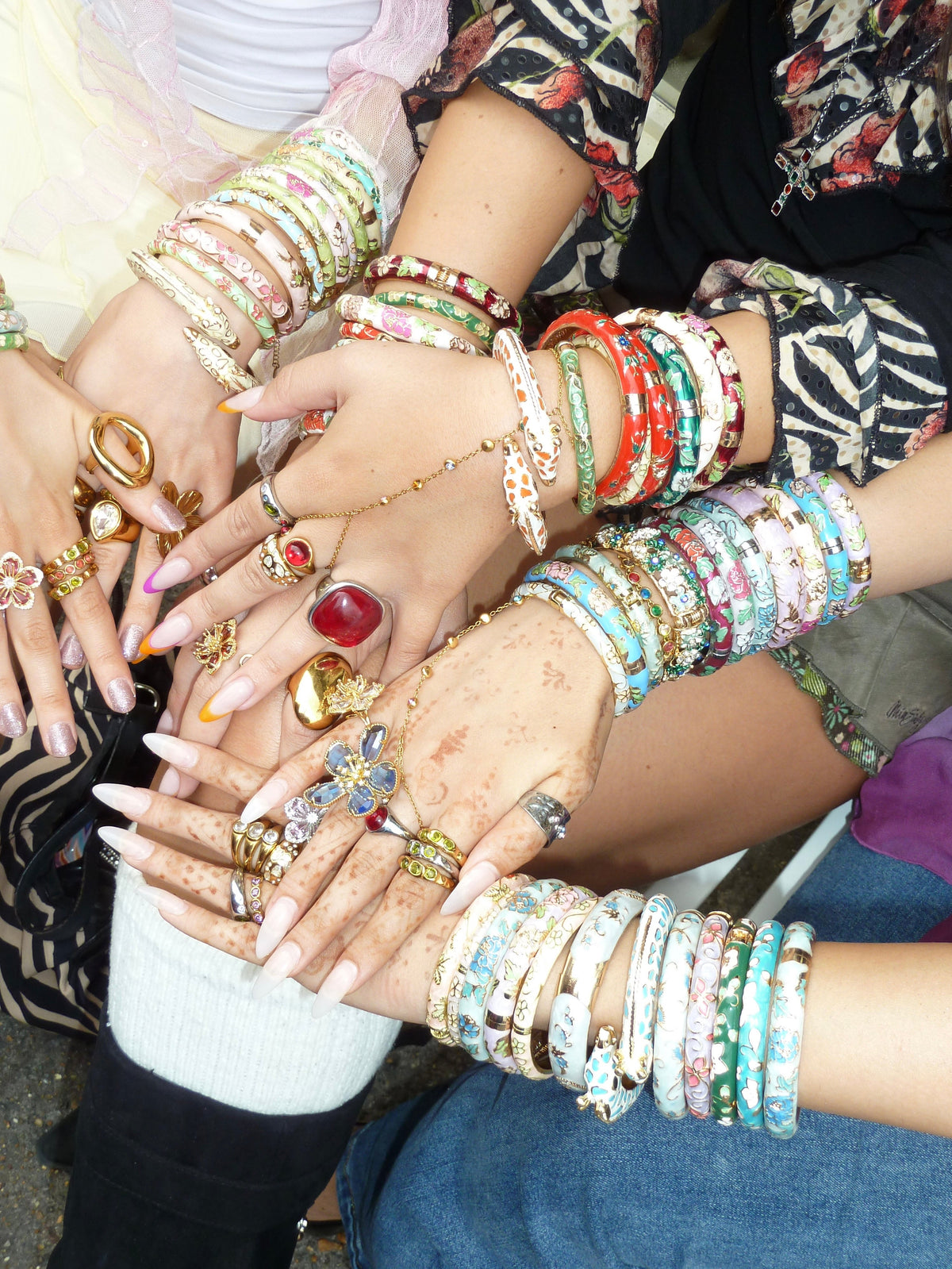
Love the colour, then get curious about the story. Chinese cloisonné deserves more than a quick “ancient art” caption. Looking at a documented object gives you a much better starting point than treating every enamel piece as if it has the same history.
History is not a single date
Bard Graduate Center’s exhibition research describes the technique as most likely arriving in China during the Yuan dynasty. It also explains why dating individual pieces is difficult: reign marks can be unreliable and workshop records are limited. Its approach considers decoration, form and intended function together. Explore Bard’s Chinese Enamels exhibition archive.
Your museum-label checklist
- Read the date carefully. “Attributed to” and a broad date range signal uncertainty, not a mistake.
- Separate material from place. What is the object made from, and where does the museum attribute its production?
- Ask what it was for. A vessel, furnishing and piece of jewellery should not automatically be given the same story.
- Check the record. Look for the accession number, bibliography and any later additions.
Bringing that care to modern jewellery
Historical context can deepen your appreciation without turning a contemporary bangle into an antique. A modern floral design is not evidence of an imperial connection, a named workshop or a specific cultural meaning. Those claims need their own documentation.
Try comparing two museum records and noting what is known, what is attributed and what is not stated. It is a simple way to enjoy the detail while leaving room for uncertainty.
Keep exploring through our Cultural Notes reading room, including linked museum resources and a short glossary.
Your  next read
 next read
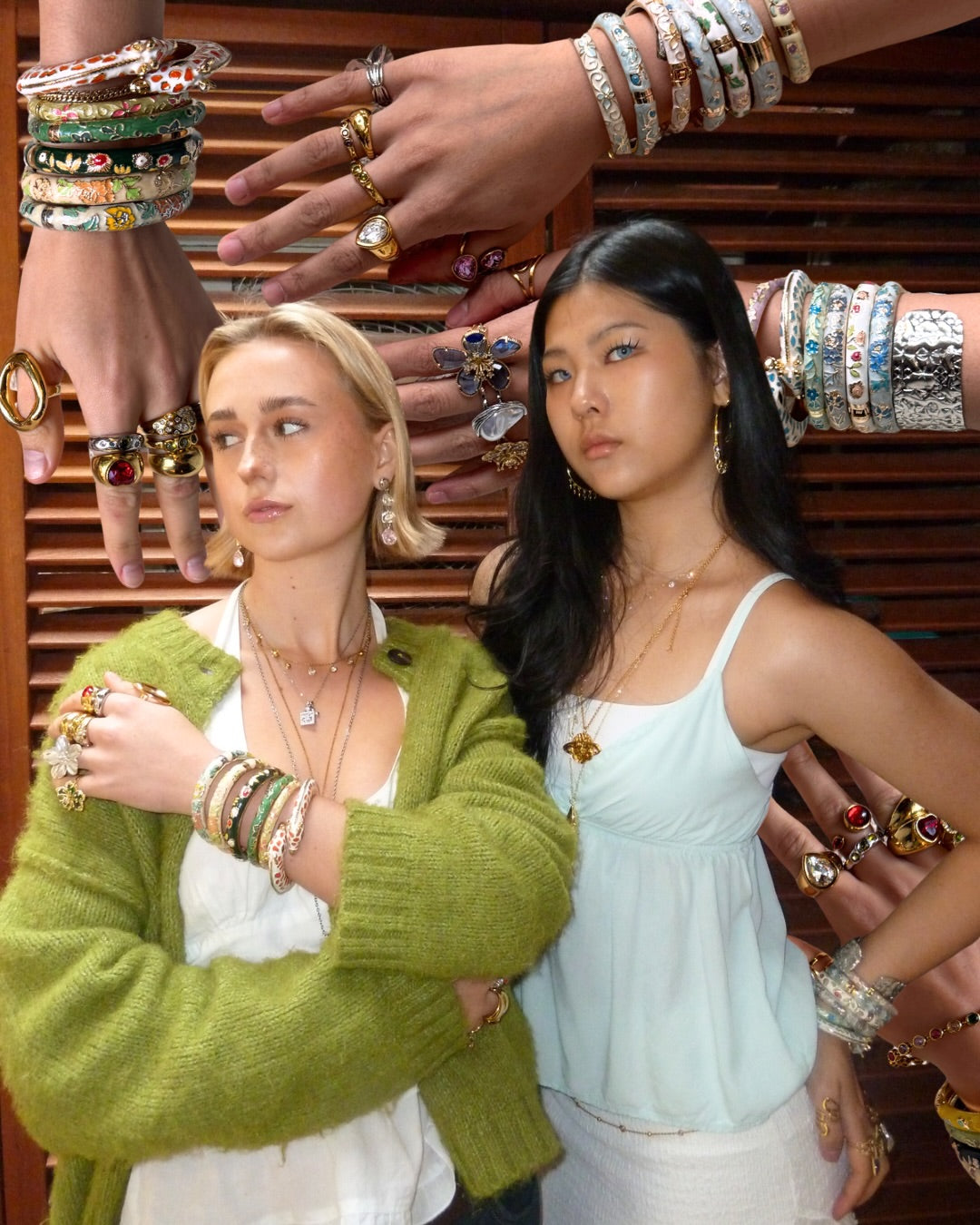
Follow the traditional technique, then learn what to ask when choosing a modern enamel bangle.
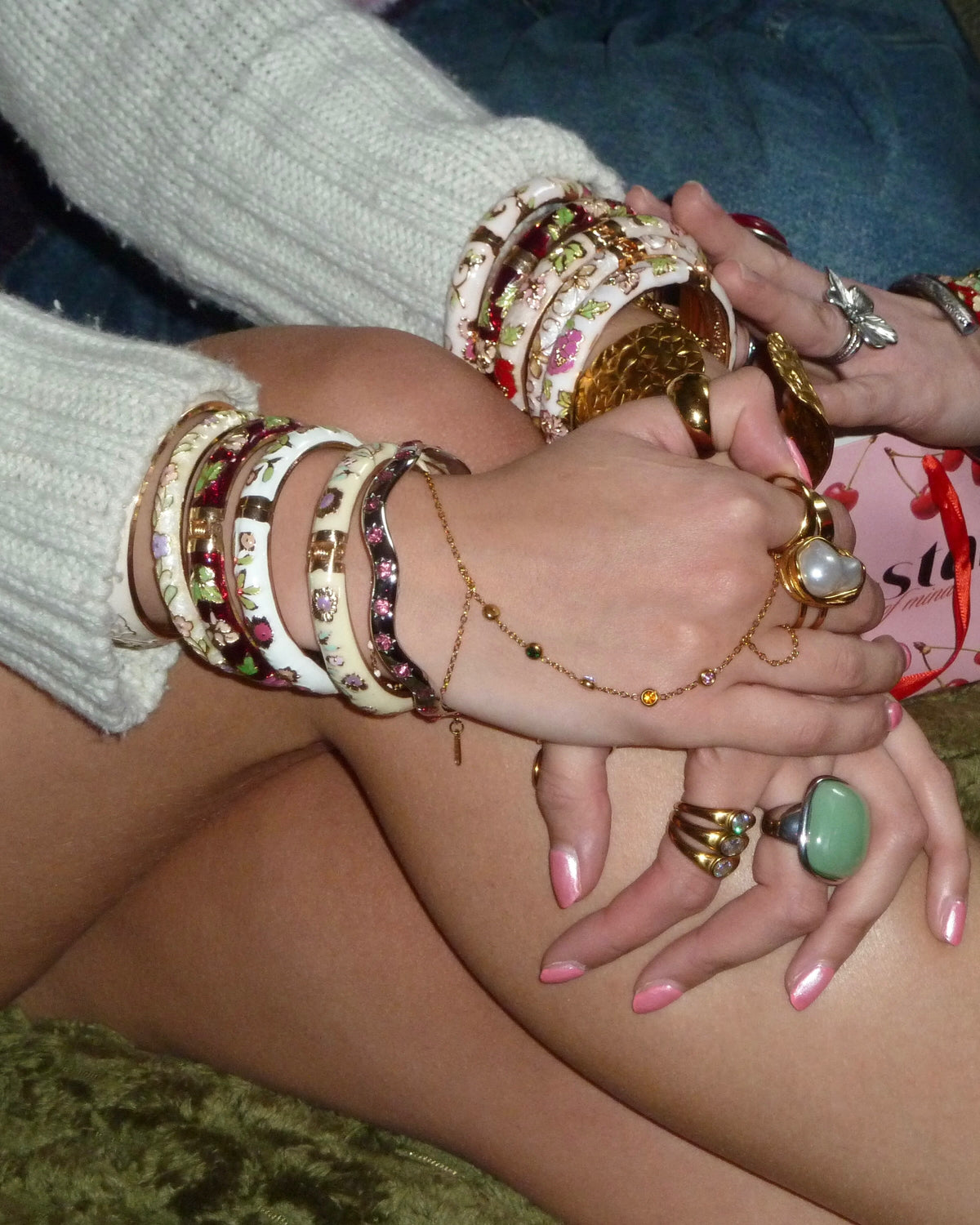
Explore how to read motifs thoughtfully, without assigning a universal meaning to every floral bangle.
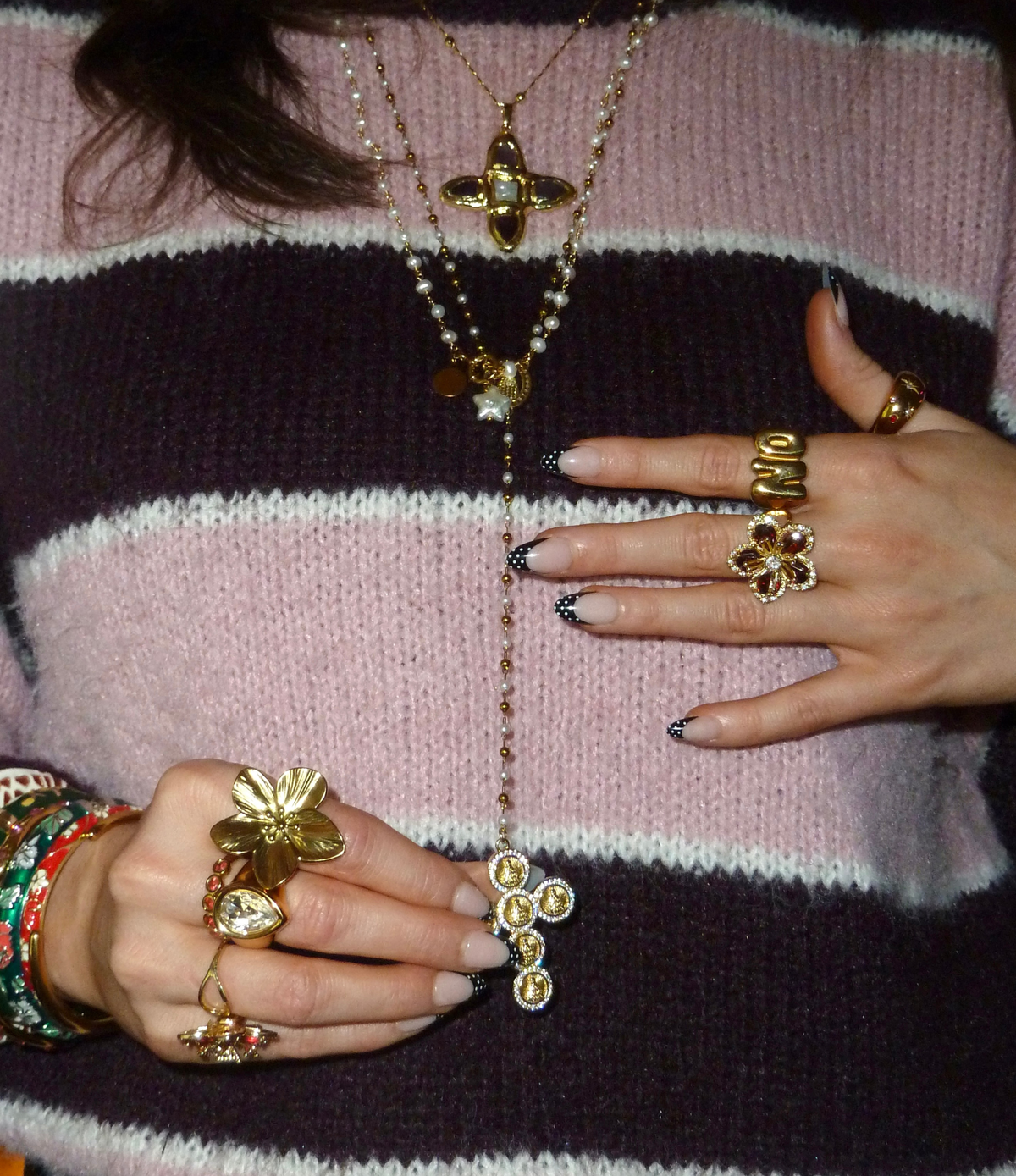
Three ways to style the Star Girl Lariat Necklace with V-necks, square necklines and an open shirt, plus a quick guide to checking the fit.