

How Cloisonné Is Made: A Guide to Wire, Enamel and Colour

A small line of metal can be the starting point for an entire pattern. Traditional cloisonné is a way of decorating a metal surface with enamel held inside wire compartments. It is a technique, not simply a name for a colourful finish.
From an outline to a finished surface
In the process described by The Metropolitan Museum of Art, wires are shaped into a design and attached to a metal body. Coloured glass paste fills the spaces. Firing fuses the enamel; because it shrinks, filling and firing may be repeated. Finishing exposes the wire outlines again. Read The Met’s explanation of Chinese cloisonné.
Three details to look at
- The outline: follow the divisions between colours rather than only looking at the overall pattern.
- The surface: look closely at how the colour meets each boundary.
- The description: check what the maker actually says about materials and production.
What does this tell you about a bangle?
A photograph cannot establish a manufacturing method, metal composition or age. A decorative metal outline is a useful detail to notice, not a certificate of authenticity. If you need to know whether a particular piece is fired glass enamel, ask for product-specific information rather than relying on the word “enamel” alone.
This guide explains a historical technique; it does not certify the process used for every Moon+Star product. For a particular bangle, start with its listing and ask us about any detail that matters to you.
Next: explore our Cultural Notes or check the bangle size guide before choosing a fit.
قراءتك  التالية
 التالية

A thoughtful introduction to Chinese cloisonné history, dating and the questions a museum label can help answer.
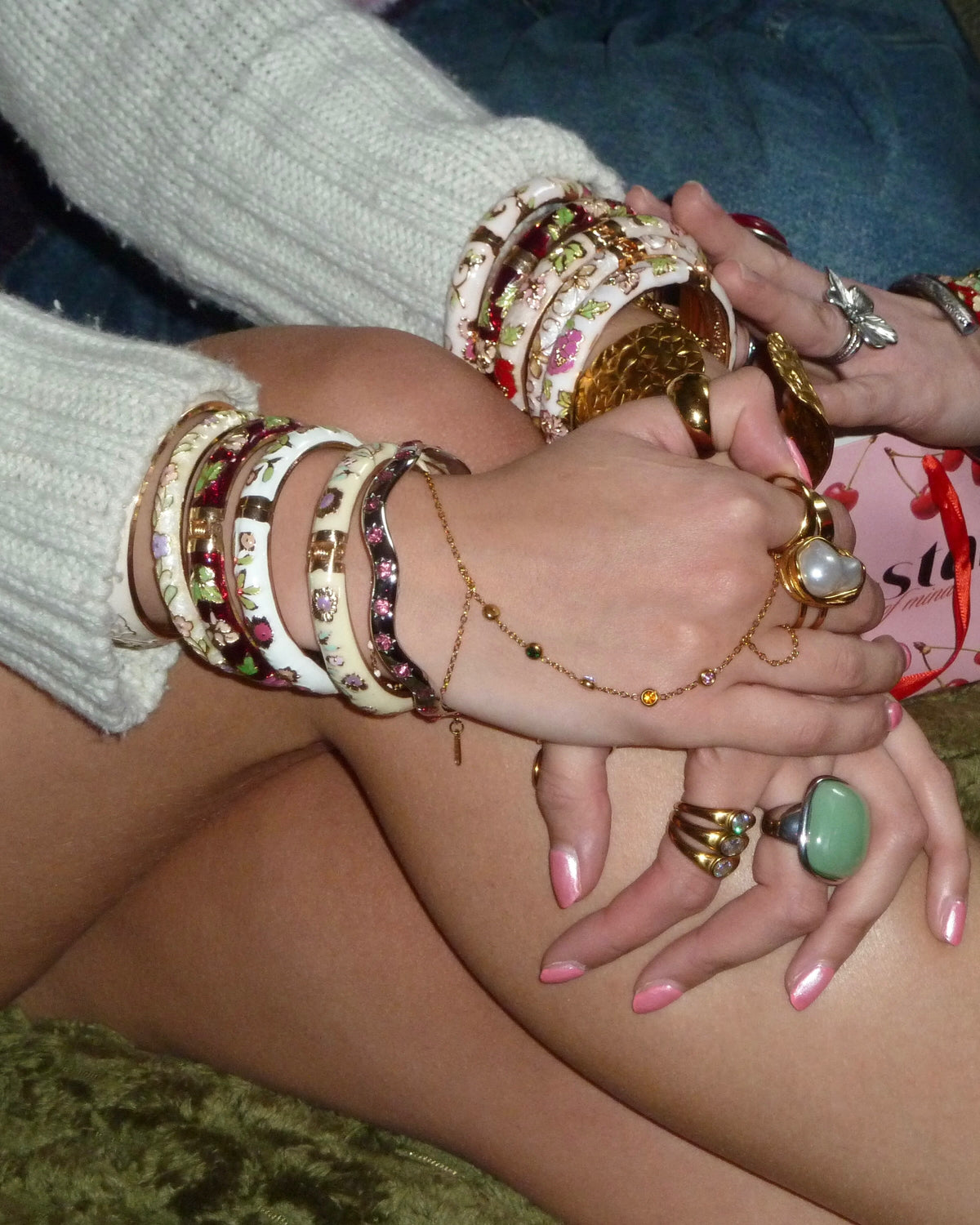
Explore how to read motifs thoughtfully, without assigning a universal meaning to every floral bangle.
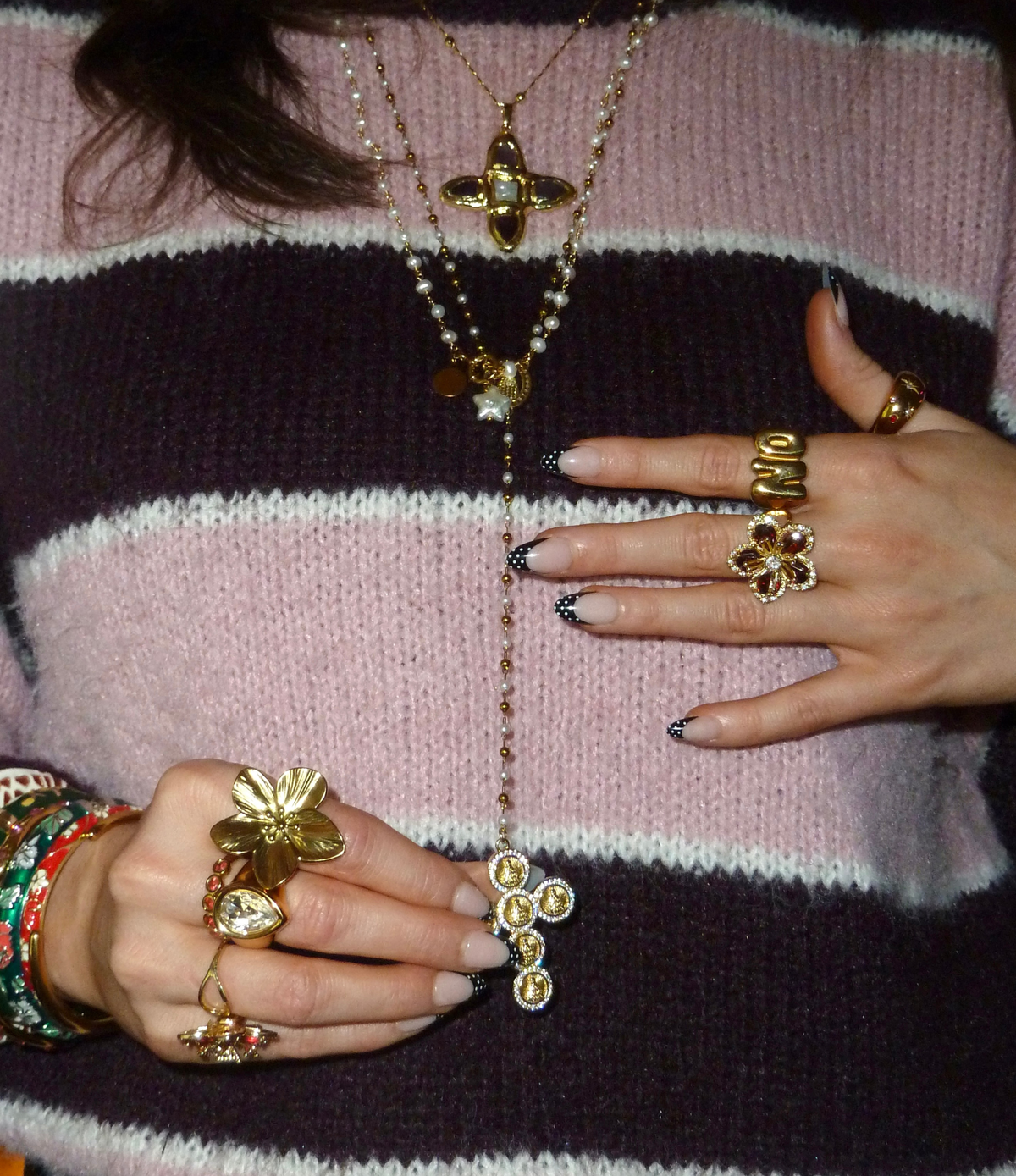
Three ways to style the Star Girl Lariat Necklace with V-necks, square necklines and an open shirt, plus a quick guide to checking the fit.