

Flowers, Symbols and Context in Chinese Cloisonné
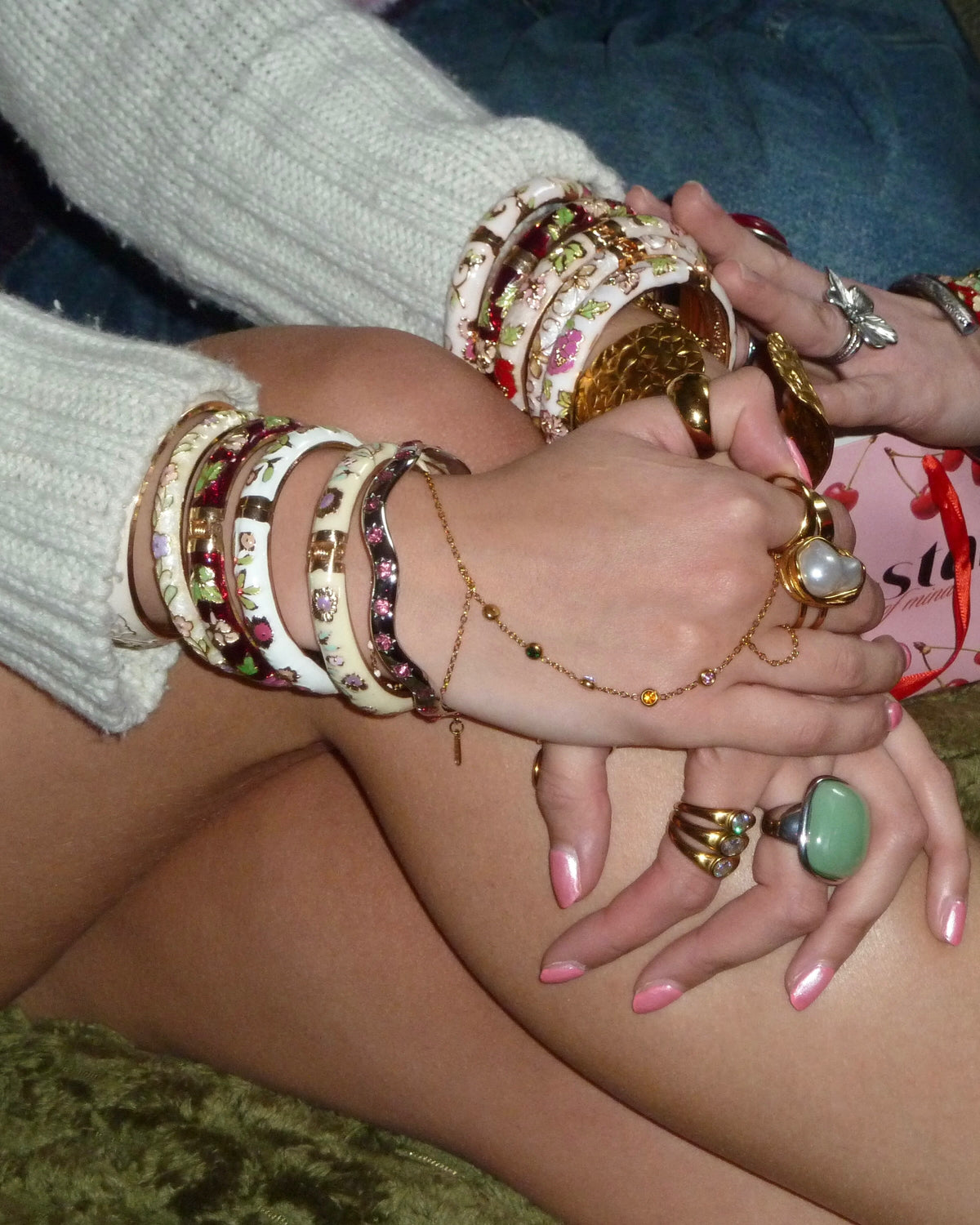
A flower can be the detail that makes you fall for a bangle. Understanding a historical motif takes a little more looking: which flower, on which object, made when, and for whom?
Start with one documented object
The Smithsonian’s Symbolism in Cloisonné lesson focuses on a Chinese incense burner, rather than treating symbols as a universal dictionary. It discusses the object’s form, use and decoration together. On this particular burner, a peach, pomegranate and orange are interpreted as wishes for immortality, numerous heirs and good fortune. Read the Smithsonian lesson and examine the object.
Try a slower way of looking
- Describe before interpreting. Note the shapes, colours and arrangement you can actually see.
- Find the context. Read the museum’s account of the object’s date, purpose and materials.
- Keep the attribution. Say who offers an interpretation instead of presenting every meaning as a fact that applies everywhere.
What about the flowers on your own jewellery?
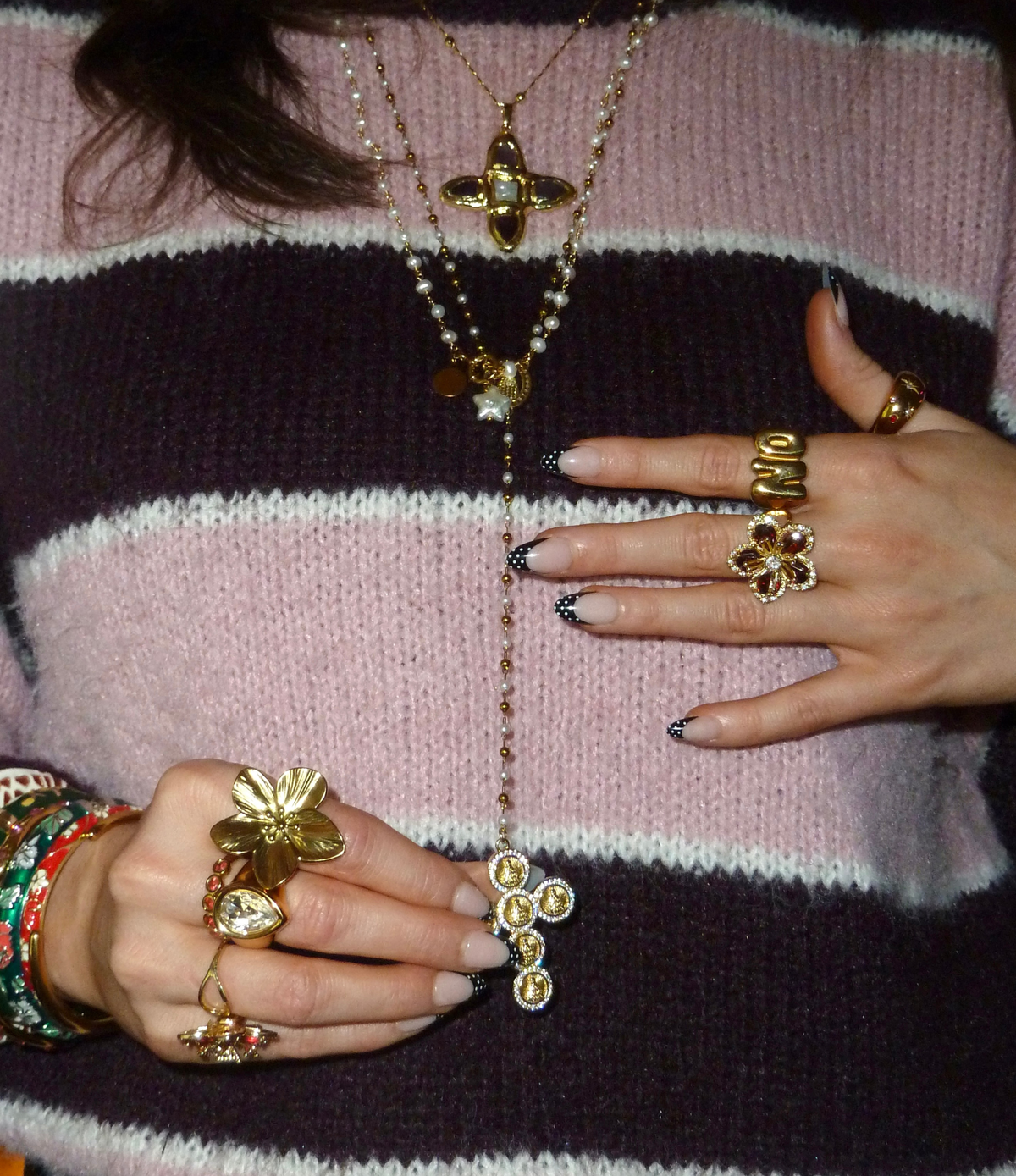
You can choose a floral piece because it reminds you of a garden, matches your favourite colours or feels like you. That personal association is different from a documented historical interpretation. A similar-looking motif on a modern bangle does not automatically carry the same meaning as a museum object.
For Moon+Star pieces, a product name or styling story should not be read as a historical authentication. We want cultural context to add curiosity, not unsupported claims.
Explore more museum links in Cultural Notes, or read our existing Chinese cloisonné bangle story for styling inspiration.
Your  next read
 next read
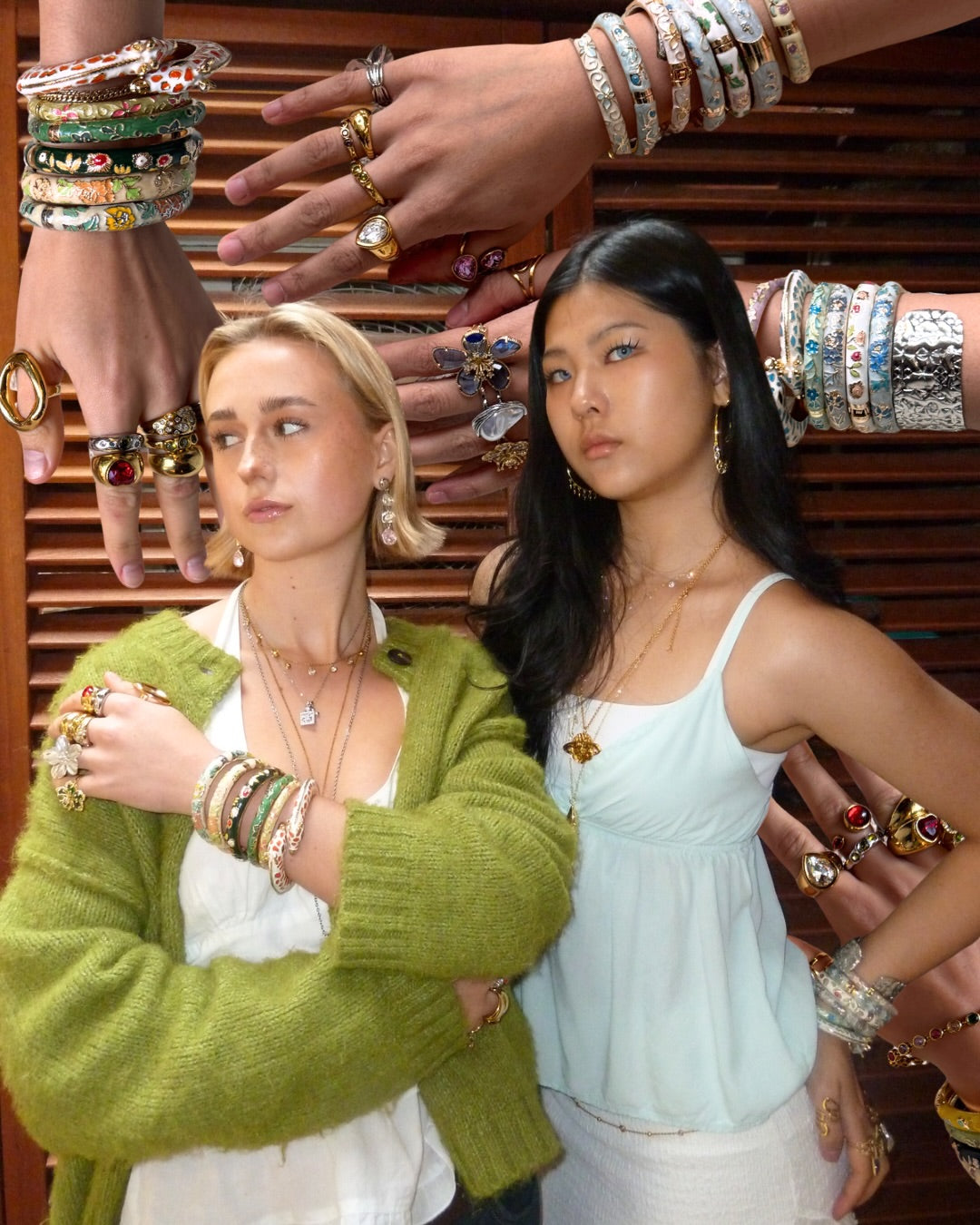
Follow the traditional technique, then learn what to ask when choosing a modern enamel bangle.
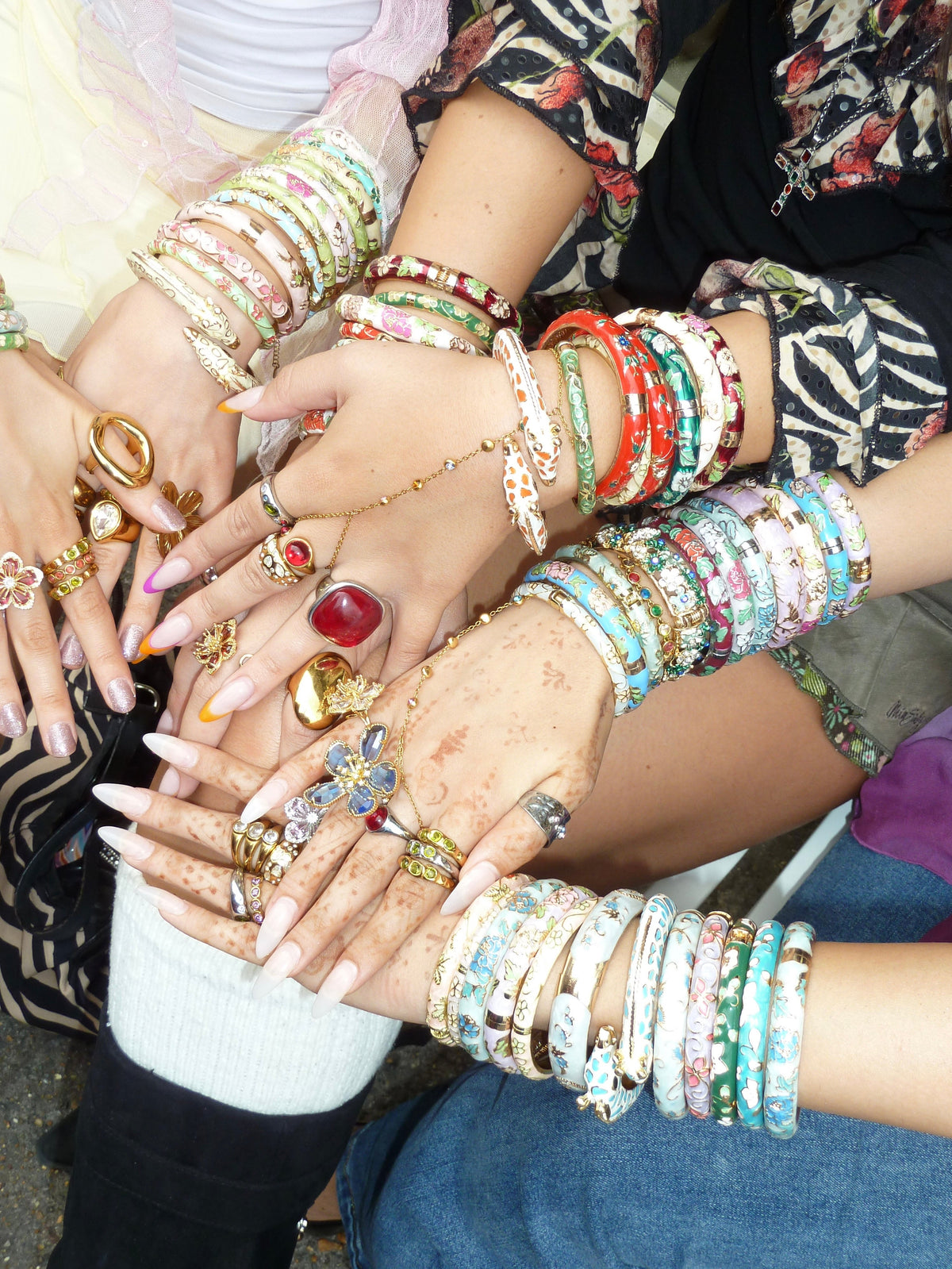
A thoughtful introduction to Chinese cloisonné history, dating and the questions a museum label can help answer.
Three ways to style the Star Girl Lariat Necklace with V-necks, square necklines and an open shirt, plus a quick guide to checking the fit.